
An offshore team member is leaving, and the handover folder looks complete. Then a customer asks about a promised follow-up, a recurring report stops arriving and nobody knows which version of a supplier instruction was approved.
Useful offboarding transfers the ability to continue the work. It includes files, but also decisions, commitments, system ownership and unresolved questions. The receiving person needs to understand what they now own and have the authority and access to act.
The following is an original operational checklist for a planned departure. Adapt it to the available notice, the engagement and the business's security and records requirements.
Assign one coordinator and agree the departure timetable
Name a coordinator who brings together the departing colleague, successor, supervisor, provider representative where relevant, and IT or system administrator. Give each action a responsible person and completion time with a time zone.
Keep operational coordination separate from decisions about the engagement. FWO says overseas employment coverage depends on individual circumstances, and laws where people work may also create entitlements. Confirm notice, payments, required records and other obligations with the appropriate employer or adviser rather than applying one Australian checklist automatically. FWO: employees working overseas.
Agree what the team and customers need to know, who will tell them and when responsibilities transfer. Most customers need a new contact and assurance about their open matter, rather than the personal reasons for a departure.
Prioritise work with near deadlines and material customer consequences. Reserve realistic handover time within the agreed arrangements instead of leaving a full workload in place and assuming documentation happens afterwards.
Inventory the knowledge attached to unfinished work
Start with open customer matters, recurring duties and exceptions awaiting decisions. For each, record the last verified action, next required action, deadline, decision owner and authoritative source. Link to approved records instead of creating another large export.
Then look for responsibilities that may not appear in the task list: renewing a subscription, maintaining a template, receiving system failure alerts or preparing a monthly reconciliation. Ask which work would stop being noticed if the person were no longer present.
Keep three categories distinct: confirmed instructions, the departing person's suggested improvements and questions still requiring a decision. A helpful workaround described during handover should not silently become approved business policy.
If a departure is sudden, use records already held in authorised business systems and involve their owners. Do not attempt to reconstruct the business by requesting access to someone's personal email, private chats or personal cloud storage. Escalate missing business information through the agreed process.
Transfer decisions and ownership with the files
Consider a fictional coordinator leaving a service business. The original table below shows what a receiving colleague would need to accept, beyond knowing that a folder exists.
| Handover item | Information to transfer | Acceptance check |
|---|---|---|
| Open customer appointment | Agreed details, unresolved request and next contact time | New owner explains the next permitted action |
| Monthly customer report | Source data, approved format and review contact | Successor produces a test draft for review |
| Supplier exception | Conflicting instructions and person authorised to decide | Decision owner acknowledges the open question |
| Scheduled workflow | Business purpose, administrator and failure notification route | Administrator verifies ownership and alert routing |
In this example, a customer has requested a booking outside the standard timetable. A note saying “follow up customer” is insufficient. The handover should show that the request awaits the scheduling lead, no exception has been promised, and the new owner must update the customer at the agreed time even if the decision is still pending.
Our guide to capturing useful SOPs helps document explanations that should become reusable instructions. Keep the live customer commitment in the work record and the general procedure in the knowledge base.
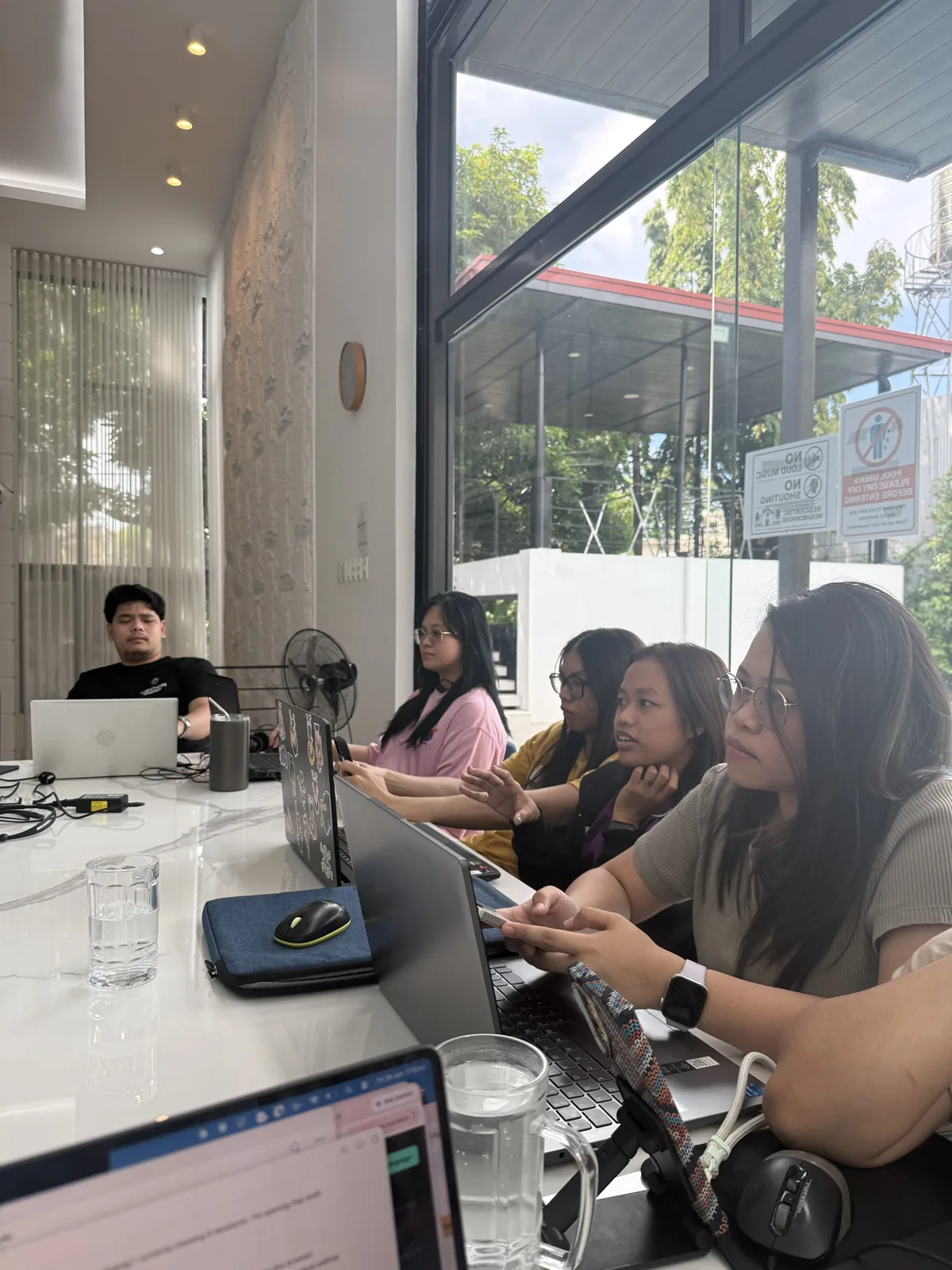
Ask the successor to demonstrate the next step
Use a small acceptance exercise before the final handover where possible. The successor works through one routine case and one unresolved exception using fictional or appropriately authorised records. The departing colleague observes rather than directing every click.
Check whether the successor can locate the source, recognise what is approved, identify a missing decision and reach the correct person. A successful file transfer does not prove any of those things.
Record gaps as actions with owners. A missing permission belongs with the administrator; an unclear customer promise belongs with the responsible manager. Do not ask the departing person to invent an answer just to make the checklist look finished.
If no successor is available, appoint an interim owner and state which activities will pause. The coordinator should acknowledge that limitation and adjust customer commitments through the authorised process. Naming an already overloaded colleague without reducing other work does not create usable cover.
Close access without deleting the business record
Coordinate the end of authorised access with the handover timetable. ACSC's Information Security Manual recommends removing or suspending access on the day a user no longer has a legitimate requirement. Treat that as security guidance when designing your process, rather than a statement that every business has the same legal duty. ACSC: guidelines for system access.
Have authorised administrators check accounts, shared links, recovery contacts, active sessions and connected services. Identify reports or automations owned by the departing account before changing it. Transfer ownership through supported administrative controls, then verify the replacement can operate and receive failure alerts.
Do not give the successor the former colleague's credentials. Our secure onboarding checklist explains named access and permission testing. Arrange any equipment return and removal of business data through an approved process that respects personal information and device ownership.
Confirm how new enquiries will reach the replacement. An authorised notice can direct customers to the current contact without pretending the departed colleague is still replying.
Close the checklist and schedule record review
The coordinator should finish with evidence: open work accepted, unresolved questions assigned, system changes confirmed and remaining actions dated. An acknowledgement of handover records what transferred; it should not be presented as a waiver of rights or proof that all employment obligations were satisfied.
Apply the organisation's approved retention process. For information subject to APP 11, OAIC explains that reasonable steps to destroy or de-identify it are required once no permitted purpose remains, with exceptions for Commonwealth records and retention required by Australian law or a court or tribunal order. OAIC: APP 11 guidance.
Do not delete needed evidence during account closure or keep every duplicate indefinitely. Assign the records owner to resolve retention questions and arrange appropriate disposal.
Talk to Nexus about an offshore handover plan with your open-work list and ownership gaps. A clear transfer lets the business continue without depending on a former colleague's ongoing availability.